March 21, 2026 at 11:44 PM UTC
Trump gives Iran 48 hours to reopen Strait of Hormuz — threatens to "obliterate" power plants
What happened
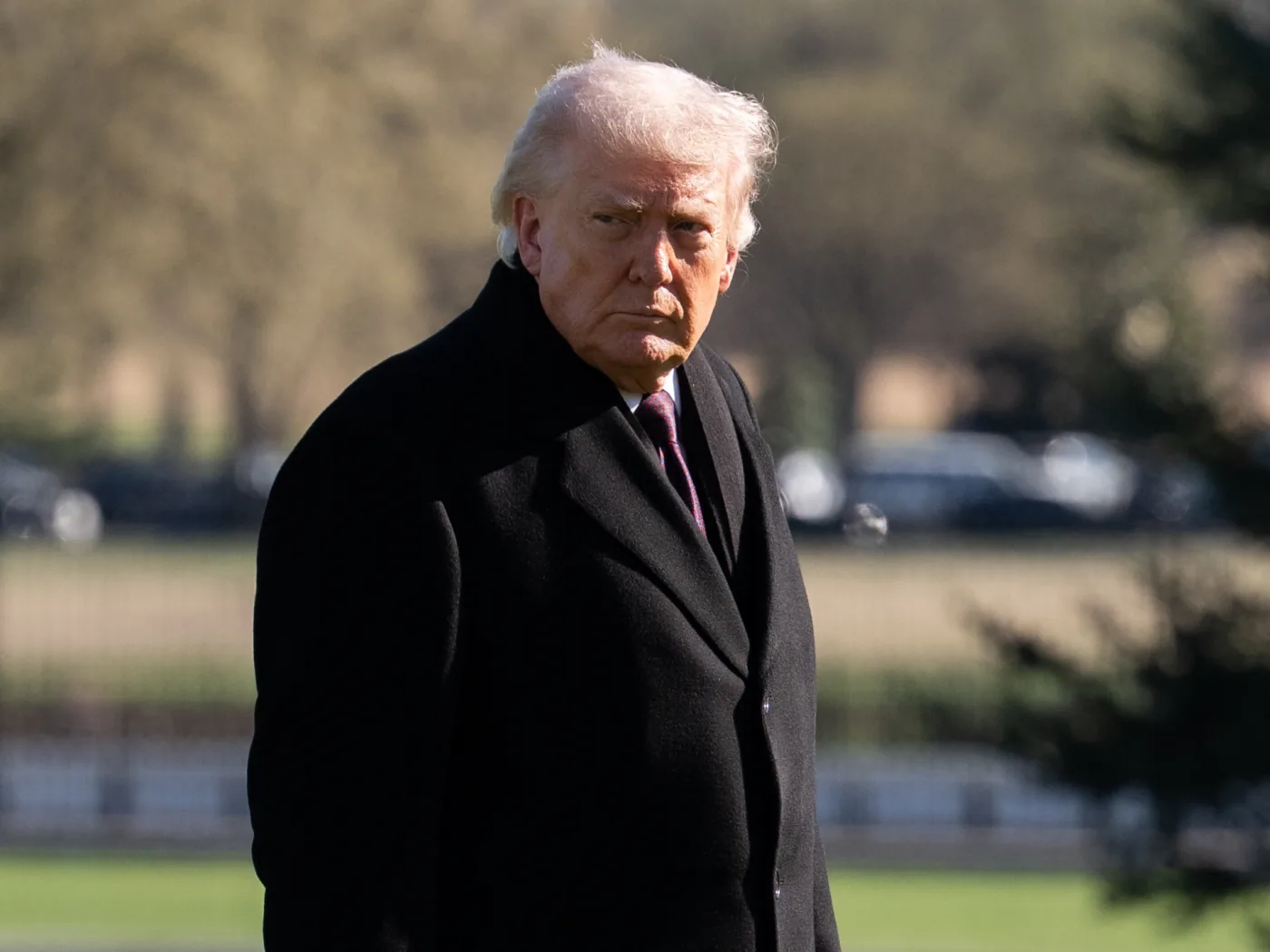
President Trump posted on Truth Social at 7:44 PM ET Saturday, March 21 — a message that read less like diplomacy and more like a man negotiating a real estate deal with cruise missiles:
"If Iran doesn't FULLY OPEN, WITHOUT THREAT, the Strait of Hormuz, within 48 HOURS from this exact point in time, the United States of America will hit and obliterate their various POWER PLANTS, STARTING WITH THE BIGGEST ONE FIRST!"
The deadline expires Monday, March 23 at 7:44 PM ET — 3:14 AM Tuesday in Tehran. One day earlier, Trump had mused about "winding down" the military operation. Consistency has never been the strong suit of a war launched without congressional authorization.
Iran's response
Iran did not flinch.
Parliament Speaker Mohammad Bagher Ghalibaf responded Sunday: "Immediately after the power plants and infrastructure in our country are targeted, the critical infrastructure, energy infrastructure, and oil facilities throughout the region will be considered legitimate targets and will be destroyed in an irreversible manner, and the price of oil will remain high for a long time."
Iran's Khatam al-Anbiya Central Headquarters was more specific: "If Iran's fuel and energy infrastructure is attacked by the enemy, all energy, information technology, and desalination infrastructure belonging to the United States and the regime in the region will be targeted."
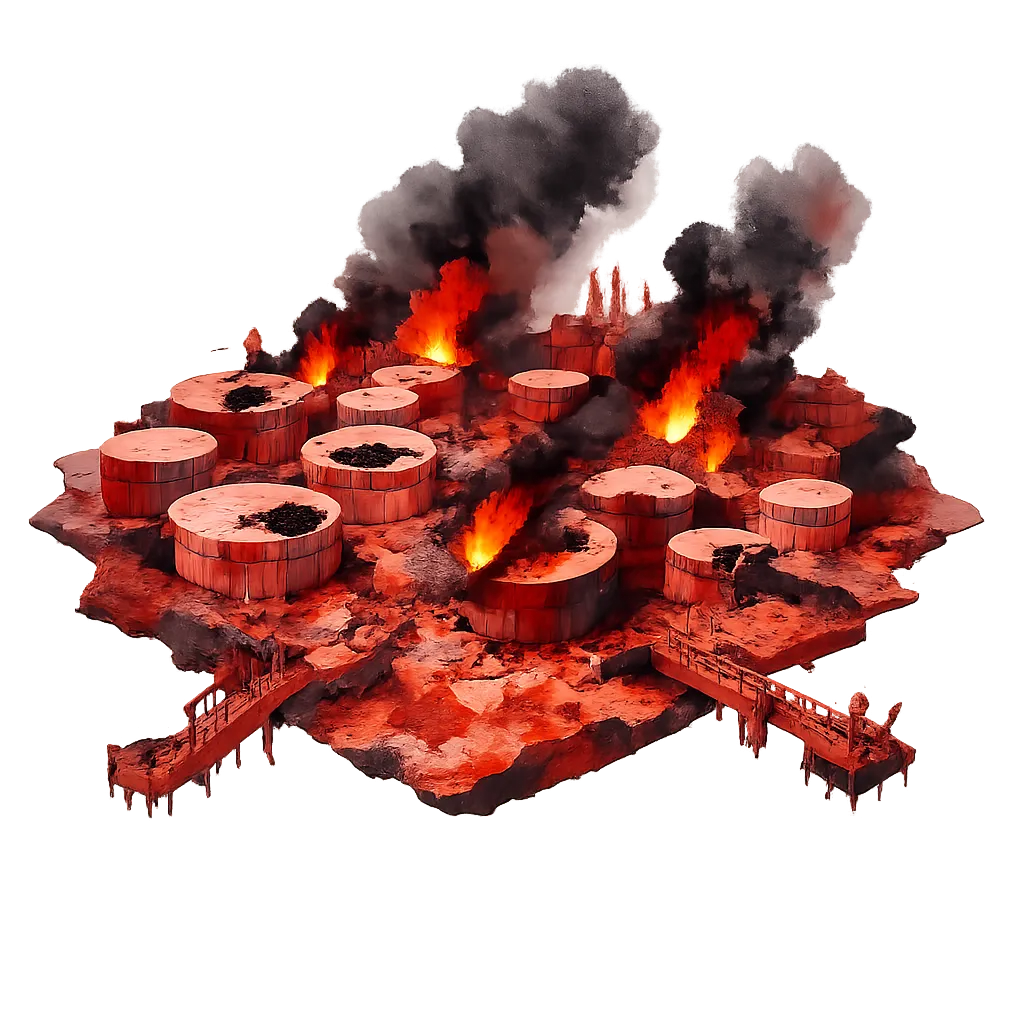
Desalination plants. In the Persian Gulf. Where millions of people depend on desalinated water to survive. That is the ledge we are standing on.
Foreign Minister Araghchi pushed back on the premise entirely: "We have not closed the strait. It is open." Technically true — Iran is operating a selective vetting system, not a total blockade. Traffic through the strait has plunged 95%, but ships from China, India, Pakistan, and as of March 21, Japan, have been granted passage. The strait is closed to the US, Israel, and their Western allies — the countries currently bombing Iran.
The strait
The Strait of Hormuz carries roughly 20% of the world's oil supply. Since the US-Israeli offensive began on February 28, Iran has imposed what amounts to a wartime checkpoint — vetting commercial vessels and denying passage to ships flagged by belligerent nations.
A Defense Intelligence Agency assessment concluded Iran could maintain this posture for 1 to 6 months. Bloomberg reported sailors are navigating through missile threats and GPS jamming. The US Navy has already sunk over 20 Iranian naval vessels in the waterway — and yet Iran's grip on the chokepoint has only tightened.
Brent crude hit $126 per barrel earlier this month. The IEA authorized an unprecedented release of 400 million barrels from strategic reserves. The Dallas Fed projects oil averaging $98/barrel in Q2 and global GDP growth falling by 2.9 percentage points. The largest disruption to energy supply since the 1970s — brought to you by a war no one in Congress voted for.
The world's response
Trump demanded NATO and China help police the strait. Both said no.
German Defense Minister Boris Pistorius: "This is not our war. We have not started it." German Chancellor Merz: "NATO is a defensive alliance, not an interventionist one." UK PM Keir Starmer: London "will not be drawn into the wider war." China's Foreign Ministry called on all parties to "immediately halt military operations."
The US is militarily alone — two carrier strike groups, 2,200 additional Marines deploying from San Diego, and reports that the Pentagon is planning "Operation Epic Escort" to force commercial traffic through the strait. Axios reported Trump is privately considering a takeover of Kharg Island, Iran's primary oil export terminal.
What's next
The 48-hour clock is ticking. Iran has made clear it will not comply. The question is whether Trump will follow through on a threat to destroy civilian power infrastructure — a move that would affect 85 million Iranians who depend on that grid for hospitals, water treatment, and basic survival — or whether this is another Truth Social bluff in a war that has already killed over 1,300 people in three weeks.
Either way, the escalation ladder just lost another rung.
SOURCES
- PRIMARYAl Jazeera
- REPORTINGNBC News
- REPORTINGCNN
- REPORTINGBloomberg
- REPORTINGNPR
If this matters, share it. The algorithm buries what it can't monetize.
Share on X
One post can reach thousands. Make it count.
Follow for updates